Where Dealership Value and Real Estate Intersect
By Jamie Farley, Partner
Performance Brokerage Services
When dealers think about the value of their business, the conversation often starts with blue sky multiples and earnings. But in today’s market, the real estate has become one of the most important components of a dealership transaction.
In many dealership transactions, the real estate represents 40% to 70% of the total enterprise value, depending on the franchise, market, and facility. Yet it is often the area dealers spend the least amount of time preparing before going to market. Buyers evaluate the dealership and its real estate as one integrated investment.
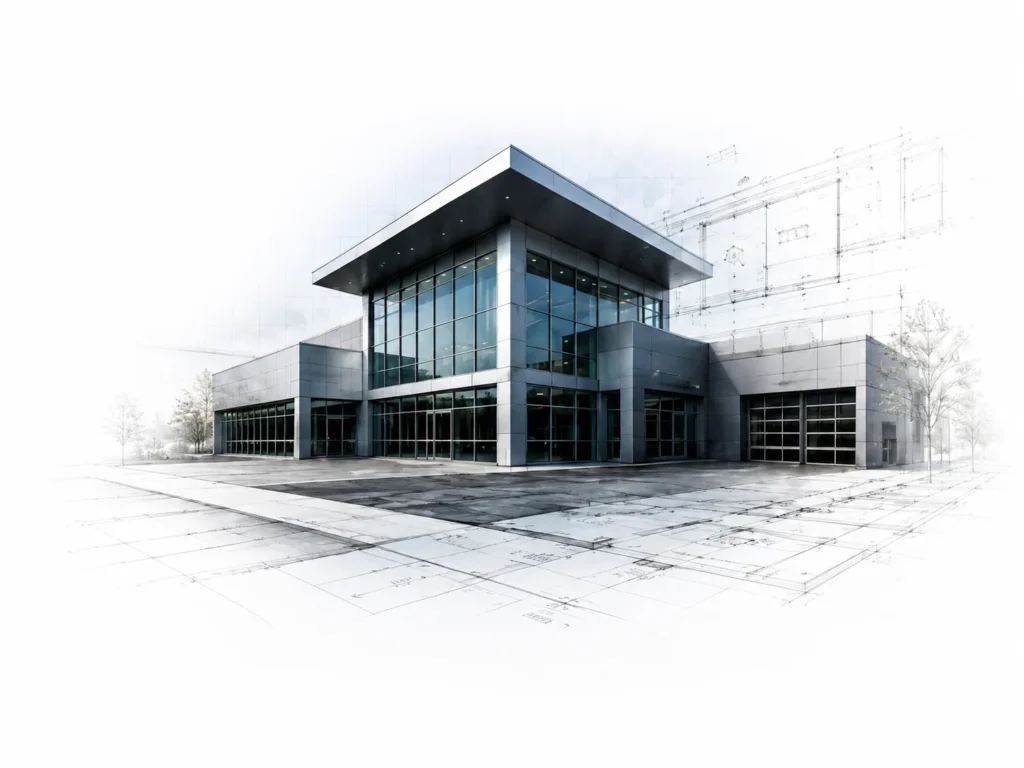
Real estate influences profitability, financing, buyer demand, and ultimately the success of the transaction. As dealership real estate values have appreciated substantially over the past several years, understanding the relationship between dealership real estate and dealership operations has become increasingly important for dealers considering a future transition.
The Real Estate Is Part of the Business
A dealership facility is far more than just the building where the business operates. It is a critical component of the dealership’s overall value proposition.
Buyers evaluate factors such as:

Collectively, these factors shape a buyer’s underwriting analysis.
For example, a dealership generating $2.5 million in adjusted earnings with reasonable rent expense may command strong buyer interest and premium goodwill value. However, if the real estate value requires rent that materially reduces operating earnings, buyers may reduce their goodwill valuation or become more selective altogether.
This is where many sellers are caught off guard. A higher property valuation does not always translate into a higher overall transaction value if the dealership cannot comfortably support the corresponding rent structure.
The Disconnect Emerging in Today’s Market
One of the biggest trends we are seeing today is that dealership real estate values have increased faster than the earnings.
Over the last several years, commercial land values, construction costs, and replacement costs have risen dramatically across many markets. At the same time, dealership profitability has normalized from the extraordinary highs experienced during the pandemic years. Many existing dealership facilities are more valuable today because replacing them would cost significantly more than it did just five years ago. Rising construction costs, labor expenses, and OEM facility requirements have made new development increasingly expensive, further elevating the importance of dealership real estate within a transaction.
While sellers understandably recognize the appreciation of their real estate, buyers remain focused on return on investment and cash flow. Buyers underwrite acquisitions based on future earnings potential, not simply asset appreciation. As property values increase, the rent necessary to support those values increases as well, reducing dealership earnings.
As a result, buyers are placing greater emphasis on the relationship between rent expense and dealership earnings when evaluating acquisition opportunities. In some cases, buyers are willing to pay a premium for irreplaceable locations, image-compliant facilities, or highly desirable markets. In other situations, elevated real estate pricing can create friction if the rent structure significantly impacts dealership profitability.
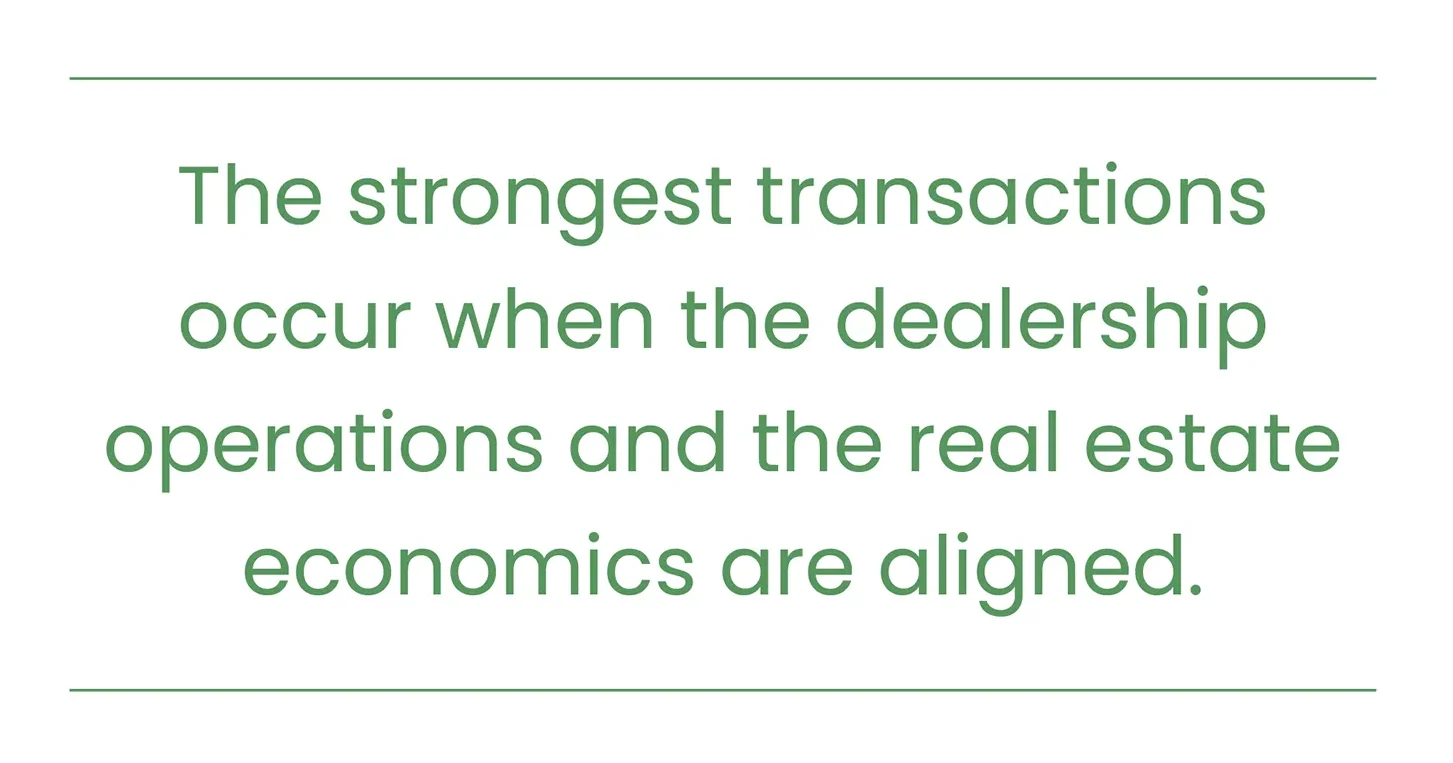
The strongest transactions occur when the dealership operations and the real estate economics are aligned.
Why Rent Matters So Much
One of the most misunderstood aspects of dealership acquisitions is the relationship between rent expense and goodwill value.
From a buyer’s perspective, every acquisition must generate an acceptable return on investment. Rent expense directly impacts the dealership earnings that support that return.
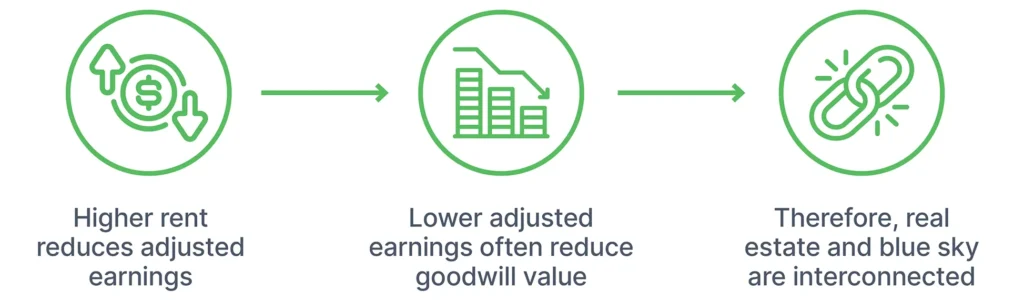
This means that higher rent reduces adjusted earnings, lower adjusted earnings generally reduce goodwill value, and consequently, real estate economics directly influence blue sky value.
This relationship becomes especially important when facilities have appreciated substantially over time or when family-owned real estate entities have historically charged below-market rent.
Sophisticated buyers evaluate whether the dealership can comfortably sustain market rent while still producing an acceptable return. That analysis can materially impact both the structure and value of a transaction.
Common Real Estate Issues That Complicate Transactions
Over the years, we have seen a number of recurring real estate issues that can create unnecessary complexity during a sale process:
• Unrealistic property value expectations
• OEM image requirements
• Environmental concerns
• Multiple ownership entities and parcels
• Deferred facility maintenance and improvements
• Sale-leaseback arrangements and REIT-owned properties
• Overbuilt facilities relative to throughput
• Rent structures that are inconsistent with market economics
Many of these issues can be addressed proactively years before a transaction occurs. Dealers who prepare early often position themselves for a smoother process and stronger outcome when the time comes to sell.
Preparing the Real Estate Before a Sale
The best time to think strategically about dealership real estate is long before a dealership is brought to market.
Some important areas dealers should evaluate include:
• Understanding fair-market rent
• Reviewing current property valuations
• Evaluating excess land considerations
• Cleaning up ownership structures and parcels
• Assessing future facility and image requirements
• Understanding the relationship between rent and goodwill
• Evaluating whether a sale or lease structure best aligns with long-term goals
For many dealers, the real estate represents decades of investment, risk, and pride. In many cases, it is one of the largest assets a family owns. A well-structured real estate component can enhance marketability, support stronger buyer interest, and contribute meaningfully to a successful transaction outcome.
Final Thoughts
Every dealership transaction is unique, but one thing remains consistent: the real estate matters.
In today’s environment, buyers are evaluating dealership operations and real estate together more carefully than ever before. Understanding how the property impacts profitability, financing, buyer appetite, and long-term sustainability can significantly influence the outcome of a transaction.
At Performance Brokerage Services, we believe the best outcomes occur when dealers are informed, prepared, and surrounded by experienced advisors who understand both the operational and real estate components of the business.
The dealership may be the operating business, but the real estate often determines how that business is valued, financed, and ultimately sold. Dealers who understand the relationship between real estate, rent, and profitability are better positioned to maximize value and achieve a successful transition when the time comes.
To learn more about our advisory approach, view the Performance Brokerage Services company brochure.
Let’s Strategize on Your Next Move
Understand how property, facility, rent structure, and market position may influence your next transaction.
Begin a Conversation

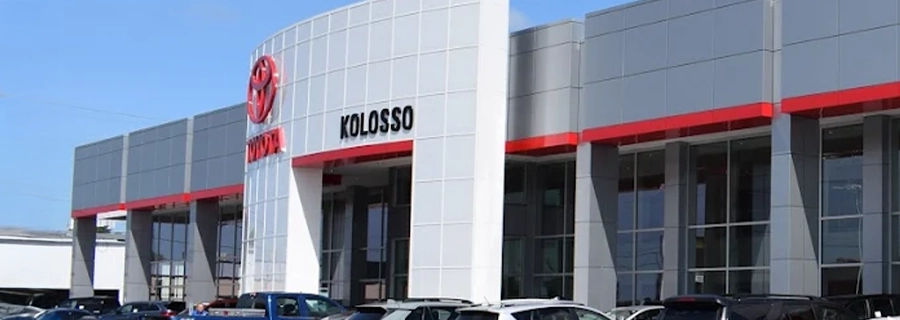
Appleton, Wisconsin
Acquired by Kocourek Automotive from Bill and Barb Kolosso


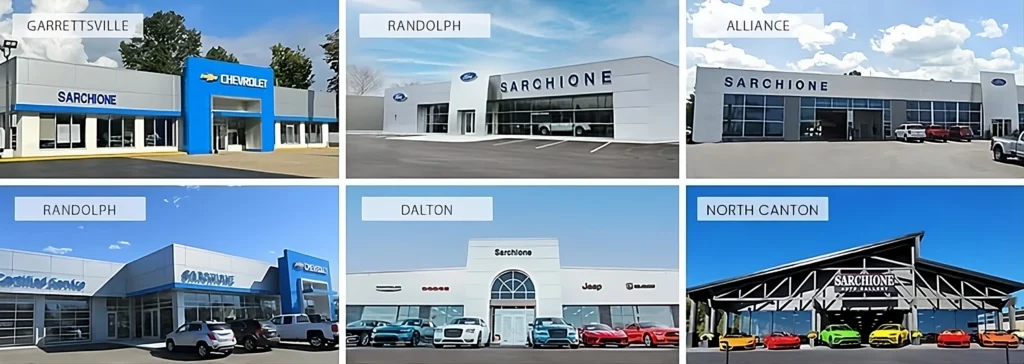
6 Locations, Ohio
Acquired by Ken Ganely Auto Group from John & Joe Sarchione


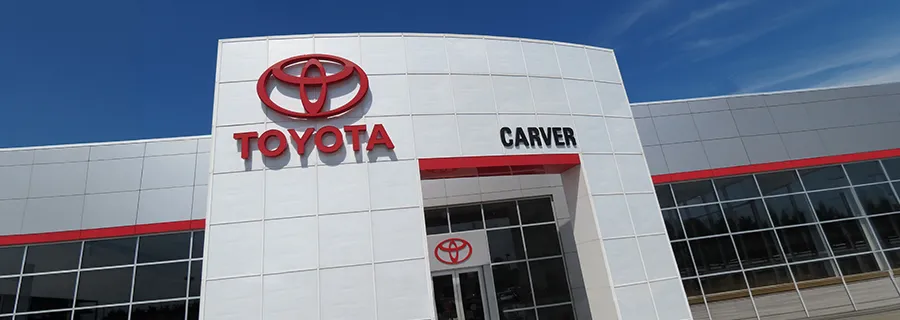
Taylorsville, Indiana
Acquired by Carlock Automotive Group from Roy J. Carver, Jr. and Ashley Jannie


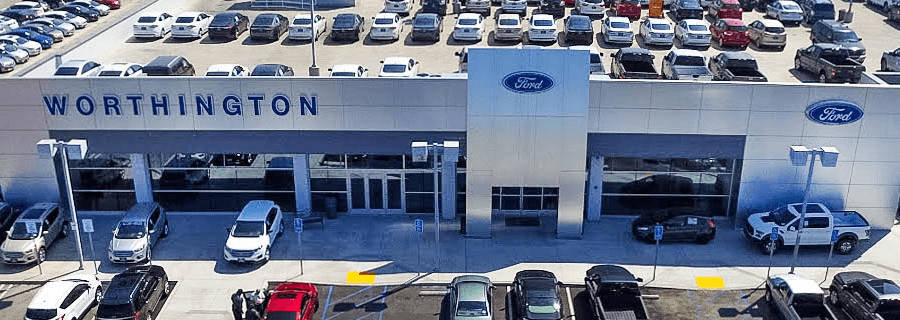
Long Beach, California
Acquired by Bob Nouri & Pete Shaver from Nick Worthington & Dave Karalis

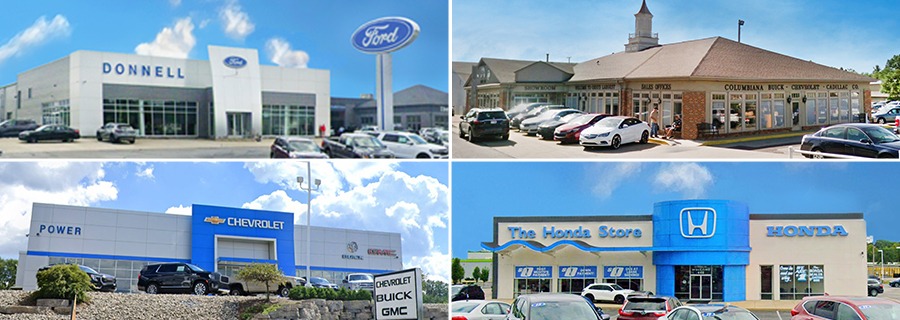
4 Locations in Ohio
Acquired by #1 Cochran Automotive Group from Janet Flynn

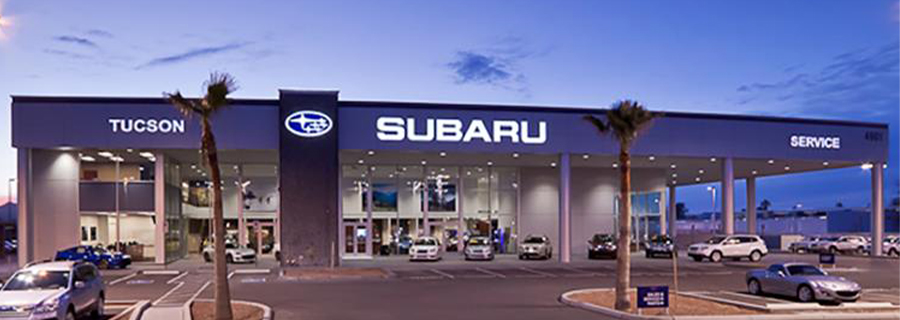
Tucson, Arizona
Acquired by Gee Automotive Companies from Rocky & Mike DeChristofano



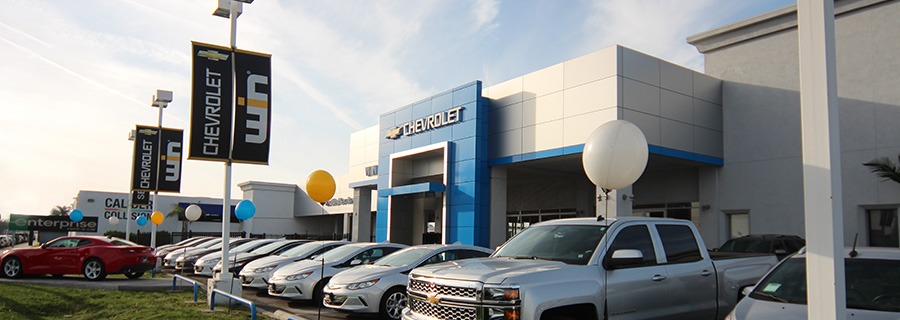
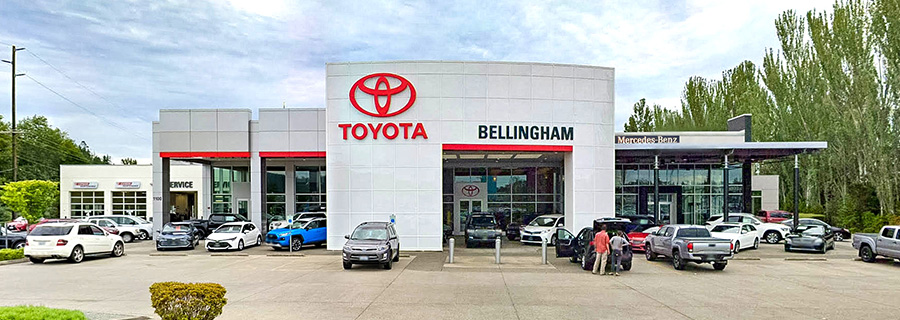
Bellingham, Washington
Acquired by Go Auto from Al Monjazeb.

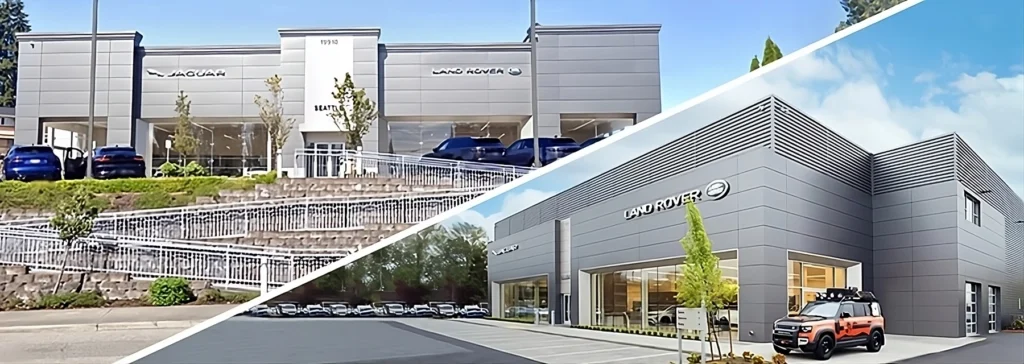
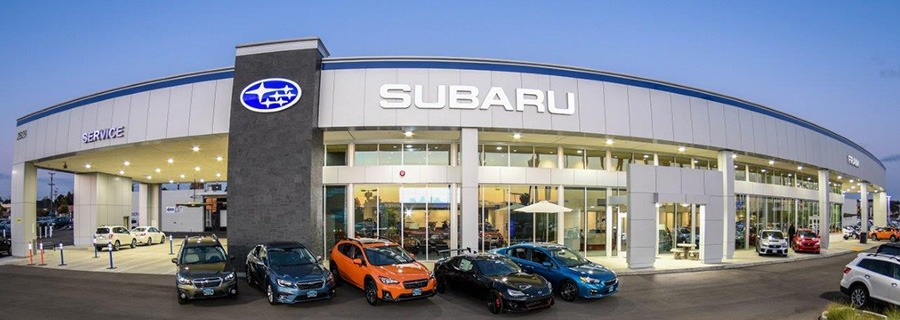
Lynnwood & Bellevue, Washington
Acquired by Fields Auto Group from Al Monjazeb
National City, California
Acquired by The Dalton Corporation from Ron Fornaca & Gary Fenelli.


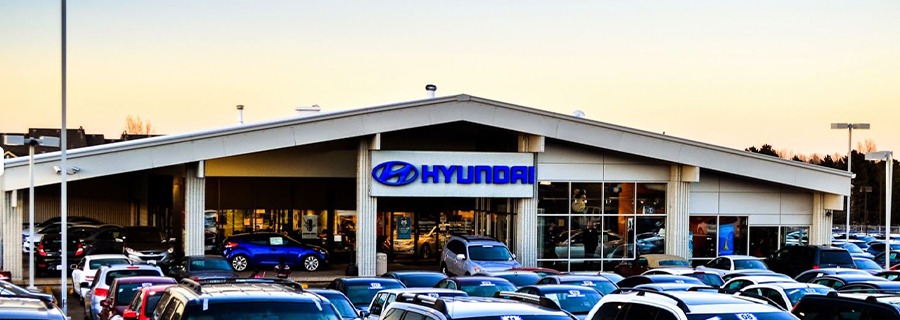
Centennial, Colorado
Acquired by Asbury Automotive Group from the Zinsmeister Family.
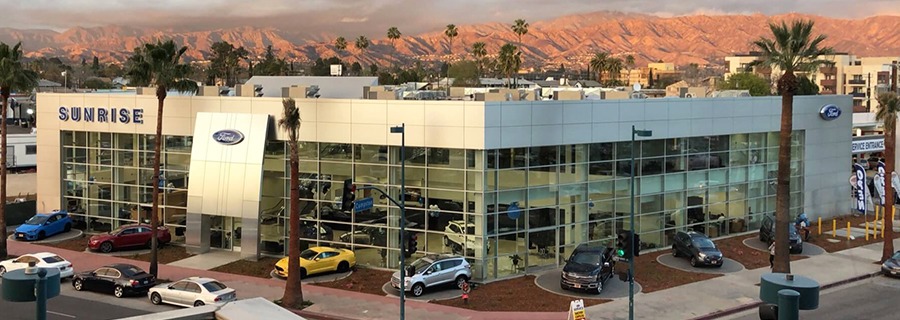
North Hollywood & Fontana, California
Acquired by Kevin Knight & Knight Automotive Group from the Bruncati Family