
The Reality of Dealership Ownership
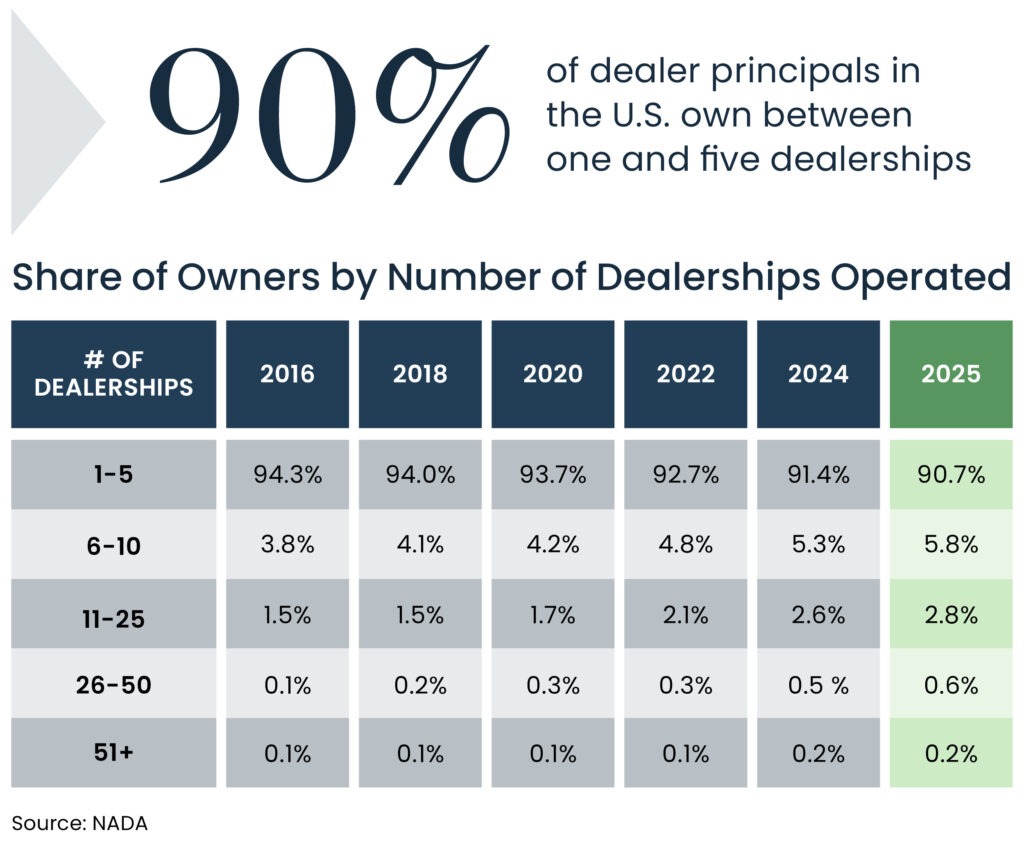
The dealership buy-sell market continues to evolve as dealers adapt to a new post-pandemic normal. While headlines often focus on public or national groups and record-setting platform deals, the reality is far more personal. According to NADA, 90% of dealer principals in the U.S. own between one and five dealerships, representing the true core of the automotive dealer body.
This insight piece offers a grounded view of what’s driving dealership transactions today, including the trends, challenges, and opportunities shaping the buy-sell landscape through the lens of these majority operators. It also examines the valuation forces at play, the increasing role of alternative capital, and the human side of ownership transitions, where legacy, family, and values intersect.
Market Landscape: Understanding Today’s Retail Environment
The U.S. automotive retail sector has remained resilient despite a landscape defined by high interest rates, affordability challenges, and evolving consumer preferences. Total new-vehicle sales in 2025 surpassed 16 million, reflecting a stable market. This was in part fueled by a Q3 surge in EV purchases caused by expiring tax credits offered to consumers.
Vehicle affordability continues to shape consumer behavior. The average transaction price now exceeds $50,000, with nearly one in five loan payments surpassing $1,000 per month.
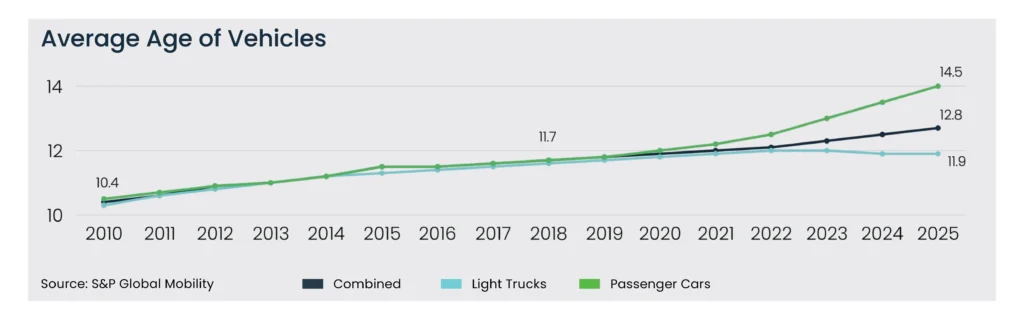
These factors, coupled with rising financing costs and extended loan terms, have prompted consumers to hold onto vehicles longer, with the average age of passenger cars now exceeding 14 years and light trucks at nearly 12 years.
Ownership Landscape: The 99% of Dealers
When examining dealership ownership across the United States, one data point stands out: nearly 90% of dealer principals own between one and five dealerships, and nearly 9% own between 6 and 25. This underscores an often overlooked truth: the automotive industry is still mainly comprised of family-owned, privately held businesses, many of them multi-generational, and nearly all deeply tied to their communities.
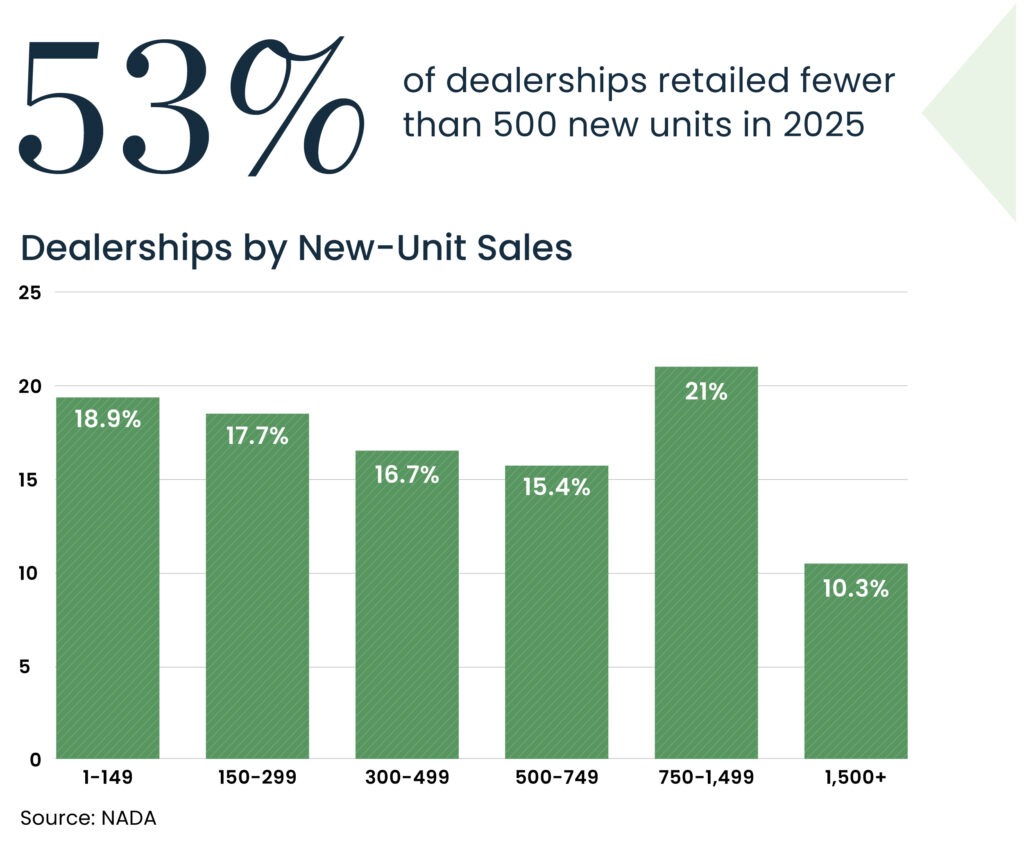
These dealers make up the heart and soul of the industry. They create local jobs, sponsor community programs, and pass on a culture of entrepreneurship and customer service that defines automotive retail.
When it comes to acquisitions, exit or succession planning, capital access, local market pressures and alike, the motivations and challenges facing the 99% of dealers, differ greatly from those of large consolidators.
According to NADA, those dealers who own more than 25 dealerships represent less than 1% of the ownership body. While the publicly traded companies may have a greater influence on trends in automotive retail, they only account for approximately 5%-10% of the acquisitions annually.
The Buy-Sell: Post-Pandemic Realities and Emerging Trends
After several years of extraordinary levels of activity, the dealership buy-sell market is entering a phase of stability; one defined by normalization, recalibration, and renewed confidence.
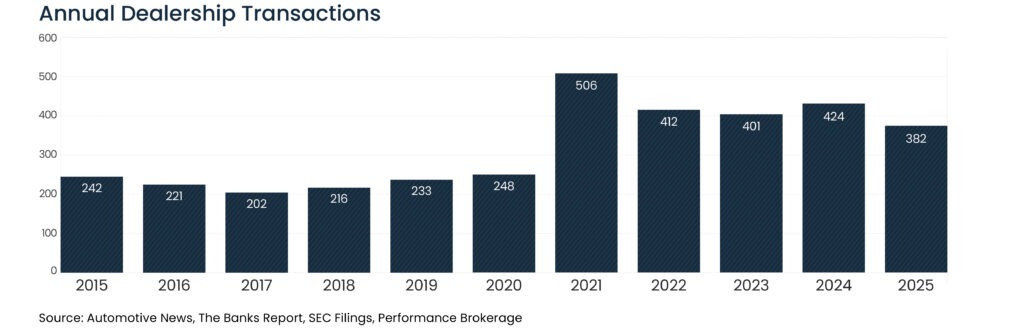
In 2025, both valuations and levels of activity have softened compared to the record-setting pace of the pandemic years. However, this moderation represents a healthy correction, not a decline. Transaction volume in 2025 finished at 382 dealerships sold, still well-above the pre-pandemic high of 242.
With profits normalizing, leading to more reasonable valuations, it is re-engaging buyers who had previously stepped back from acquisitions due to elevated pricing. We are also witnessing the emergence of alternative capital sources, including automotive-focused investment firms and family offices, creating new pathways for growth and succession planning.
Although buyers are demonstrating greater selectivity in the opportunities they pursue, high-quality brands and populous or metro markets are still drawing national attention and commanding premiums. The strong performance of these brands, especially in growing markets, offers access to top-tier talent, allowing for absentee ownership.
With an increased appetite for expansion and a greater buyer pool, valuations remain stable as the supply of dealership opportunities is always limited.
Valuations: The Art of Value
The Fundamental Question
Every dealership sale begins with a question: What is the business worth? The answer, as any experienced advisor knows, is both an art and a science.
Dealership valuation has long relied on the concept of a multiple of earnings, which is a shorthand that assigns a number to the goodwill portion of a transaction based on historic earnings. While useful as a starting point, this method often oversimplifies the reality of what drives value, and was highly misrepresentative during the pandemic, which experienced drastic fluctuations in earnings.
A Forward-Looking Approach to Value
At Performance Brokerage Services, we view valuation as a forward-looking exercise.
The true value of a dealership lies in its ability to generate future income & cash flow.
Our preferred methodology, the Earnings Value Approach, considers a broad set of tangible and intangible variables, including:
• Historical performance trends
• OEM relationships and initiatives
• Market demographics
• Competitive landscape
• Management depth
• Location
• Facility capacity
• Capital expenditure requirements
• And much more
Return on Investment: The Buyer’s Lens
While many metrics influence value, return on investment (ROI) remains the most common. Buyers build a proforma, or forecast for their earnings, and back themselves into an offer that satisfies their desired ROI. Their ROI is based on risk and reward, both of which take into consideration a host of intangible variables that can only be quantified by each individual buyer, with the franchise naturally carrying a significant weight in the overall analysis.
Stabilizing After the Pandemic
In recent years, the challenge with building a reliable forecast was how to account for the anomalous pandemic earnings. This required evaluating the dealership from a departmental level to identify which areas experienced systemic and sustainable growth, and which were solely attributed to COVID. In tracking departmental gross profits quarterly for many years, they appear to have finally stabilized into a post-pandemic normal, which happen to be significantly higher than pre-pandemic levels. This stability offers buyers more confidence when building their forecasts, which can promote a lower required ROI threshold, and a higher purchase price for a selling dealer.
The Road Ahead: 2026 Outlook
Looking ahead to 2026, the buy-sell market is poised for continued strength, through steady, sustainable growth driven by fundamentals.
2026 Market Conditions
The buy-sell market today is more rational and disciplined than it has been in years. Profits and performance have normalized and confidence is returning to an environment that thrives on entrepreneurial resilience.
We anticipate that transaction volume in 2026 will remain well-above pre-pandemic levels. Buyer-demand continues to outpace supply, keeping it a seller’s market. Cash remains abundant from both private operators and new sources of automotive-focused capital.
One trend that will continue to influence the next 12–24 months is the relationship between dealership real estate and operational affordability. As property values have at times outpaced what the businesses can support, appraisers have been placing more emphasis on the income approach. Ensuring alignment between real estate values, rent structures, and dealership cash flow will be key to maintaining transaction viability.
Related Insight: Why Dealership Real Estate Matters More Than Ever →
Strategic Preparation
Whether expanding, planning succession, or preparing for retirement, dealers in 2026 face a market that rewards preparation. As the industry continues to enjoy heightened valuations and volume of transactions, understanding what drives value, benchmarking performance, and anticipating OEM and market shifts can make the difference between reacting to an opportunity vs. strategically seizing it.
Let’s Prepare Your Next Move
Understand the opportunities and challenges in today’s market, whether you’re buying, selling, or planning ahead.
Request a Conversation

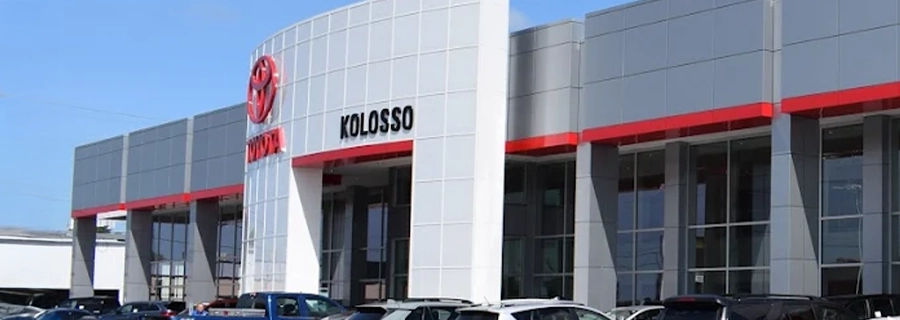
Appleton, Wisconsin
Acquired by Kocourek Automotive from Bill and Barb Kolosso


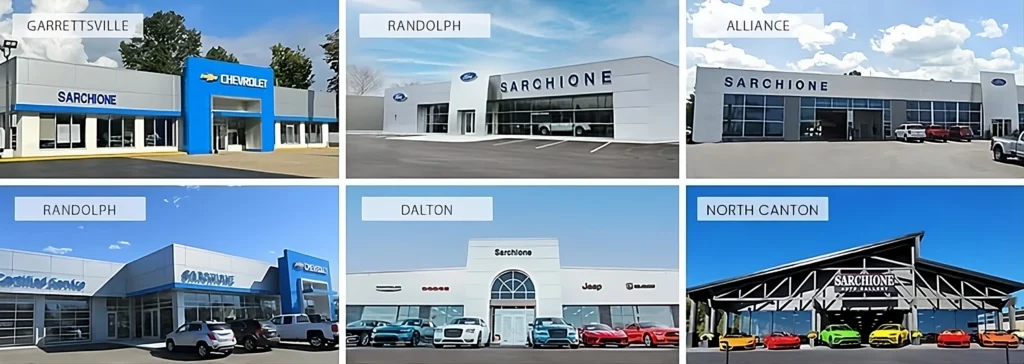
6 Locations, Ohio
Acquired by Ken Ganely Auto Group from John & Joe Sarchione


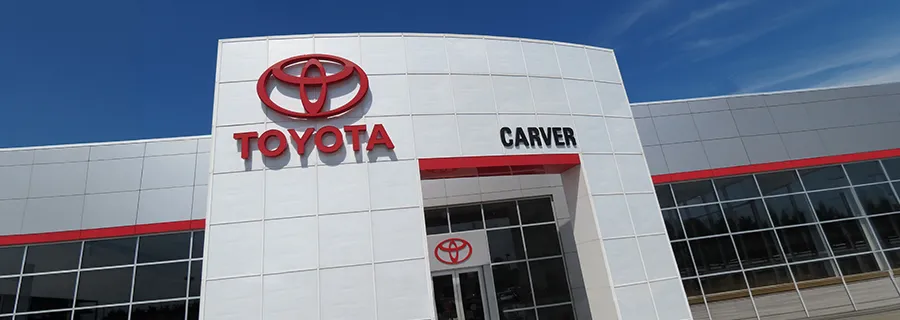
Taylorsville, Indiana
Acquired by Carlock Automotive Group from Roy J. Carver, Jr. and Ashley Jannie


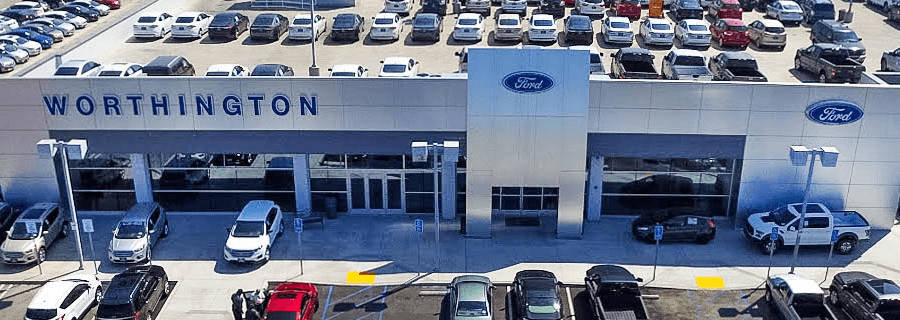
Long Beach, California
Acquired by Bob Nouri & Pete Shaver from Nick Worthington & Dave Karalis

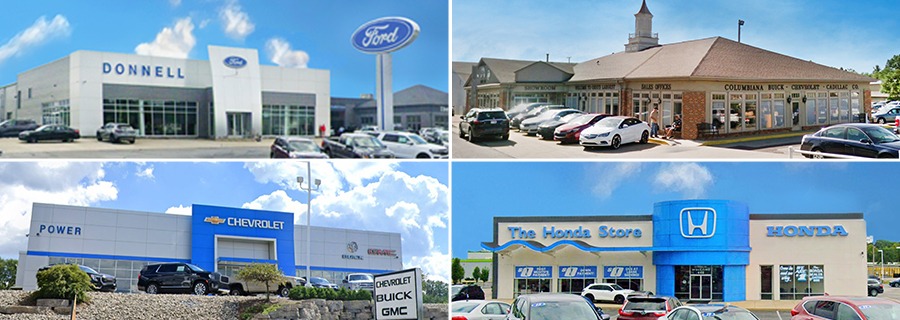
4 Locations in Ohio
Acquired by #1 Cochran Automotive Group from Janet Flynn


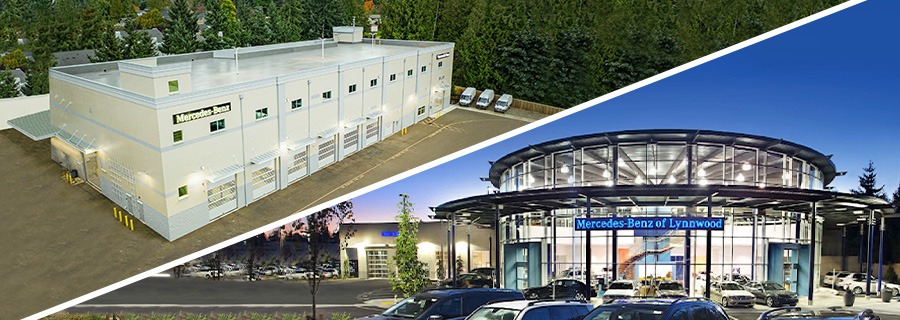
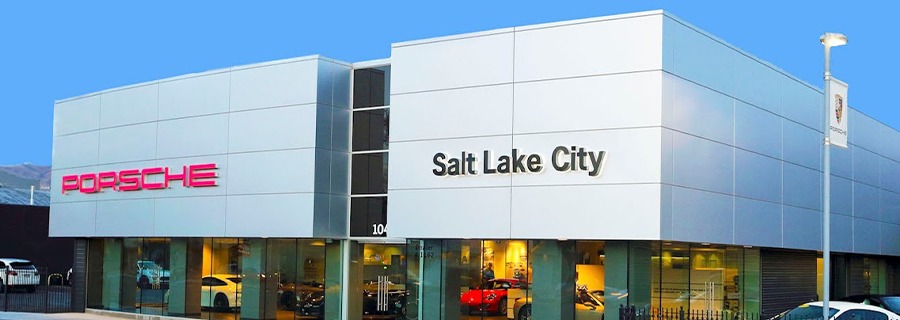
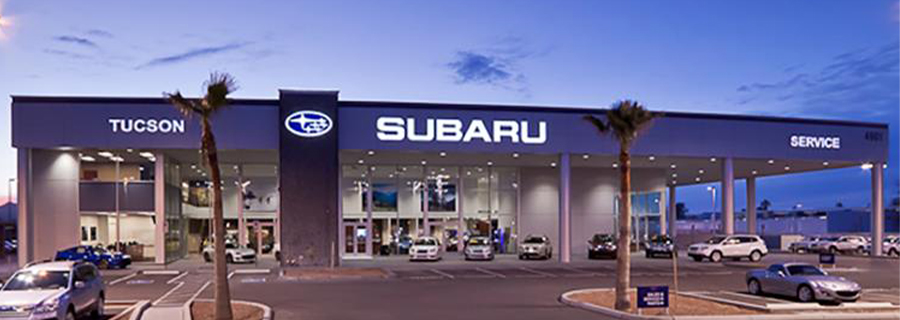
Tucson, Arizona
Acquired by Gee Automotive Companies from Rocky & Mike DeChristofano




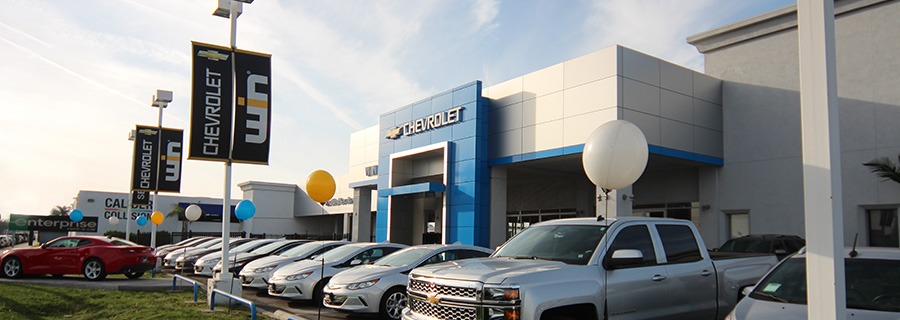
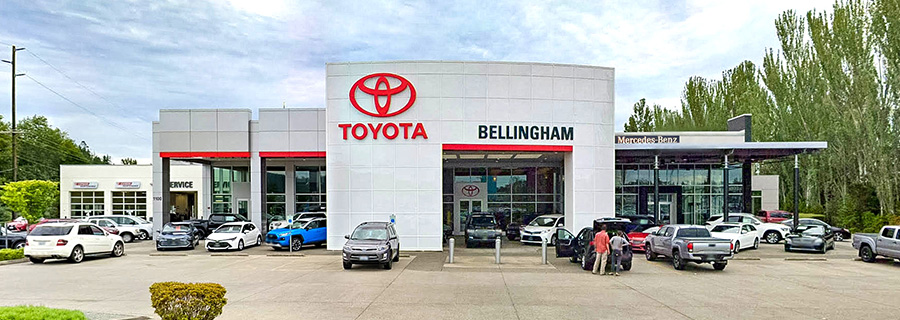
Bellingham, Washington
Acquired by Go Auto from Al Monjazeb.

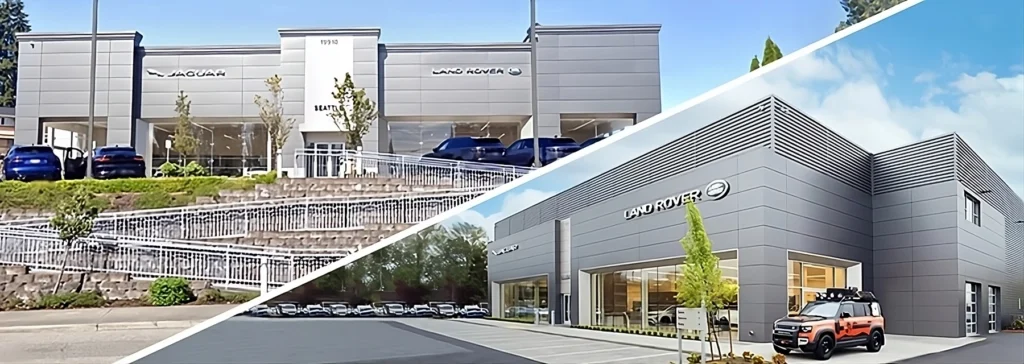
Lynnwood & Bellevue, Washington
Acquired by Fields Auto Group from Al Monjazeb


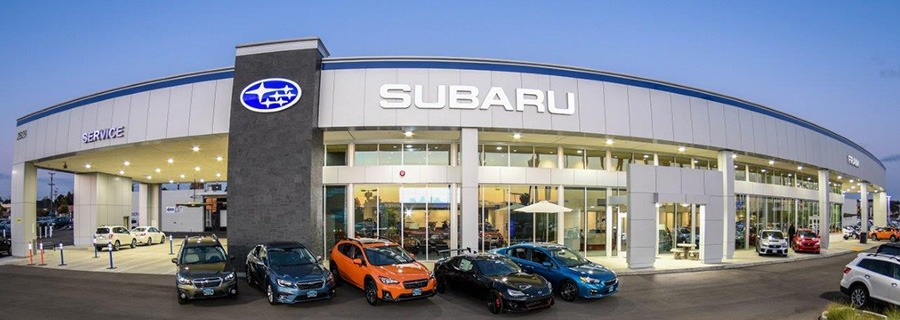
National City, California
Acquired by The Dalton Corporation from Ron Fornaca & Gary Fenelli.


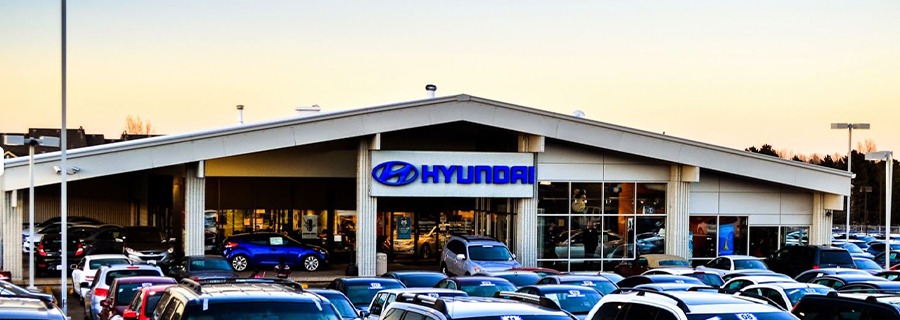
Centennial, Colorado
Acquired by Asbury Automotive Group from the Zinsmeister Family.


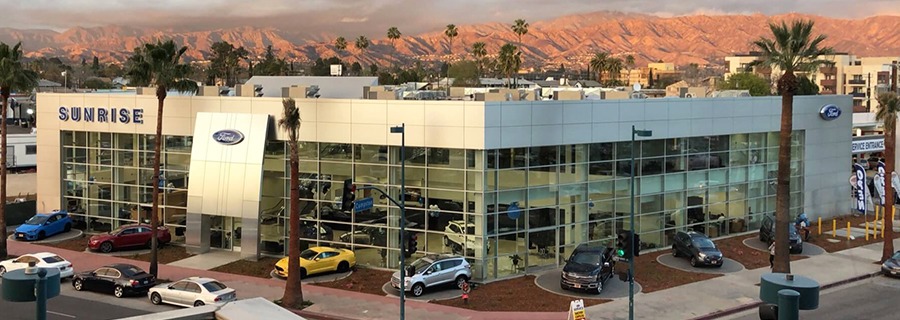
North Hollywood & Fontana, California
Acquired by Kevin Knight & Knight Automotive Group from the Bruncati Family